Stories of How to Live on Earth
About the Collection
How to Live on Earth is a new feature documentary from Open Planet Studios, in association with Villars Institute Foundation and Silvania, released for free on YouTube on 20 September 2026. The ultimate how-to guide for humanity, the film reveals a genuine pathway to a future where people and nature can thrive in harmony.
Through human stories and powerful cinematography, the film shows how people are learning to team up with nature to solve our biggest challenges.
This collection on Open Planet features world-class footage captured during the making of How to Live on Earth. It has been designed to supercharge your storytelling and connect the film’s ideas to the places, communities and solutions that matter most to you.
Explore the full collection
From the cost of nature's destruction to the power of restoration, food, health and culture, this collection features powerful footage captured for How to Live on Earth to support your storytelling.
Explore the collectionHow to Live on Earth: Three key themes
The film spotlights the people, ideas and solutions helping to shape a thriving future for all life on Earth, with a focus on nature as the foundation of our food, our health, our economies, and our sense of meaning.
By exploring these themes and rethinking the systems that underpin how we live on Earth today, we can begin to build a true roadmap to safeguarding our future.
We have curated selections of footage aligned with these key chapters, bringing together the powerful visuals captured for How to Live on Earth and related footage from across the library.
Now, you can respond to the vision set out in the film with your own stories, for your own audience, about what this vision looks like in practice.
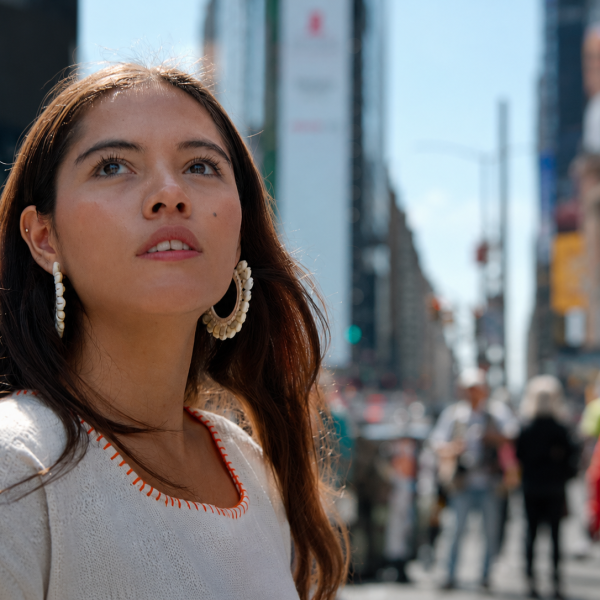
How to Value Nature
This chapter explores how our financial systems can be rewired to treat nature as the asset it truly is. The film shows how the rivers, forests and ecosystems we have long taken for granted are, in fact, the foundation of our economy.
From thriving biodiversity and the full range of habitats on our planet, to the destruction of ecosystems, and the solutions and recovery efforts restoring them.
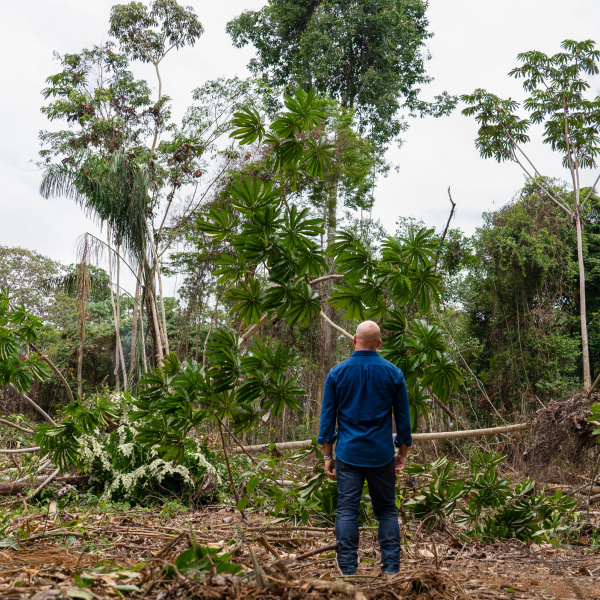
How to Feed the Future
This chapter confronts the urgent transformation of our food systems, showcasing the widespread loss of nature driven by agriculture and food production, and a new generation of sustainable food innovations already proving it is possible to feed the world without devouring the planet.
From forest clearing and harmful food systems to pioneering technology and sustainable fishing practices.
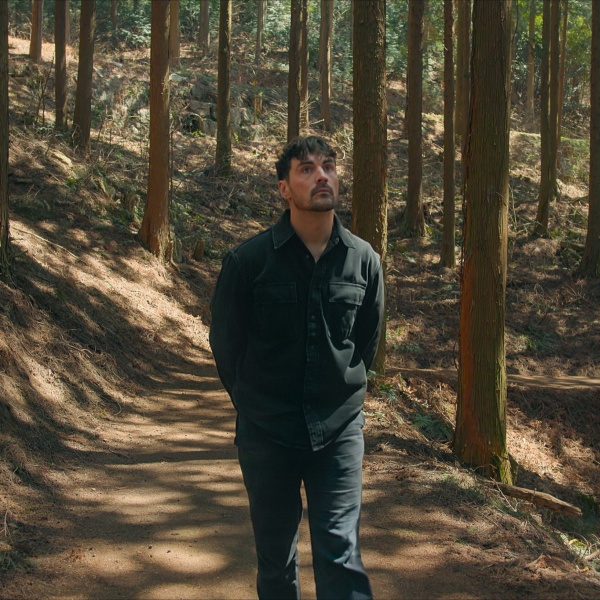
How to Feel Human
This chapter reawakens audiences to a truth that Indigenous cultures have carried for generations: that human wellbeing and planetary health were never separate.
As we become ever more disconnected from the natural world, the consequences for our mental health are profound. Living with nature is not just how we save the planet, it is how we save ourselves.
From the health benefits of nature to urban greening, bringing together nature in our cities, parks and green spaces, and the restorative practice of forest bathing.
We are part of nature
How did we come to see nature as something to use, rather than something we are part of?
For generations, we’ve treated nature as a limitless supply, there to be extracted and exploited. As our cities, industries and supply chains grew, the cost to nature moved out of sight.
We're now using nature 73% faster than it can regenerate, the equivalent of 1.73 Earths.
Every year, humanity now uses a year’s worth of the Earth’s natural resources before the year is over — normally within 7 months. We’re drawing down what we depend on faster than it can regenerate.
As human populations continue to grow, our expansion into and fragmentation of ecosystems will inevitably follow, unless we can start to see the true value of nature as essential to our survival.
"Nature, biodiversity, is what keeps us stable and our planet stable. We need nature because only when the Earth thrives can we thrive."
— Benedict Cumberbatch, How to Live on Earth
Reconnecting with nature
Our ancestors understood that people and nature are not separate. Across cultures and continents, communities lived by the idea that we belong to the natural world, and that caring for it is part of our responsibility as its stewards.
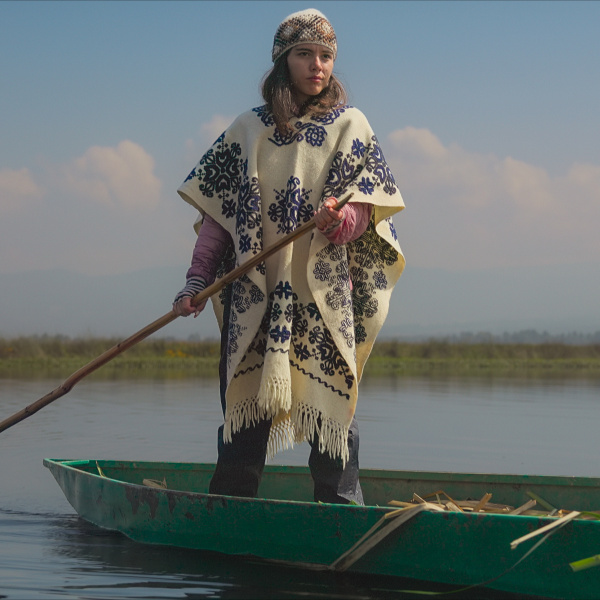
How to Live on Earth calls for us to become better stewards, drawing on ancestral wisdom to shape ways of living in which the health of the land, water and wildlife and the health of people are inseparable.
From restored ecosystems to regenerative farming, the footage in this collection shows what living as part of nature looks like.
If habits shaped by modern life have pushed nature out of view, the way back is to bring it into view again. That’s where visual storytelling comes in.
Explore the full collection
Whether you're an activist, campaigner, student or educator, these footage collections can help bring your story to life. Now it's your turn to share your vision of how to live on Earth.
Start your story